
Episode 203
How Queensbridge and Marley Marl Shaped Black Music History
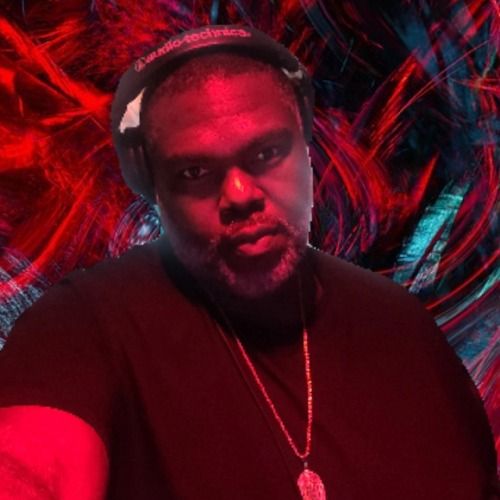
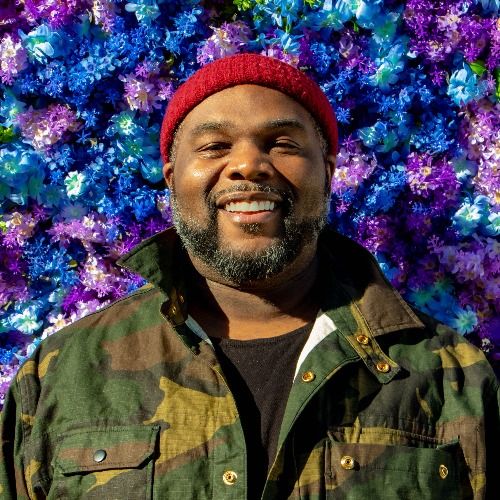
Join DJ Sir Daniel and Jay Ray for a very special Queue Points episode, part of The MPN Network’s "The Neighborhood Feast" Thanksgiving programming. In this conversation, they dig deep into how Queensbridge and Marley Marl shaped Black music history, exploring the significance of community, creativity, and legendary hip-hop rivalries. From the roots of the Queensbridge projects to the ripple effects throughout hip-hop and Black culture, this episode is a feast of stories, impact, and perspective.
Key Takeaways
- Queensbridge's Role: Discover why Queensbridge is considered the most influential neighborhood in hip-hop history and how its legacy shapes the genre.
- Marley Marl’s Influence: Learn about Marley Marl's foundational role as an innovator, radio host, and connector who lifted an entire generation of artists.
- Community & Competition: Get insights on how community, borough pride, and neighborhood competition fueled legendary battles and creative innovation in hip-hop.
- The Roxanne Wars: Uncover the story behind the iconic Roxanne Shante battle, answer records, and how young women helped put Queensbridge on the map.
Tune in and celebrate the rich tradition, powerful storytelling, and unbreakable community spirit that defines Black music history.
Check out The MPN Network's Neighborhood Feast on YouTube: https://link.queuepoints.com/mpnthanksgiving25
Chapter Markers
00:00 Intro Theme
00:18 Welcome to Queue Points
01:13 The Significance of Queensbridge Projects
02:31 The Birth of Hip Hop Rivalries
06:30 Marley Marl and the Juice Crew Legacy
21:00 The Rise of Nas and Other Queensbridge Legends
28:25 Conclusion and Farewell
29:40 Outro Theme
Support Queue Points
Become An Insider: https://link.queuepoints.com/membership
Transcript
Greetings and welcome to another episode of Queue Points podcast.
Sir Daniel:I'm DJ Sir Daniel.
Jay Ray:And my name is Jay Ray, sometimes known by my government,
Jay Ray:is Johnnie Ray Kornegay III.
Sir Daniel:And this is a very special episode of Queue Points.
Sir Daniel:For the MPN Network, Jay Ray, tell 'em all about it.
Jay Ray:Yes, we are so excited to be here, uh, recording for the MPN Network,
Jay Ray:uh, this very special episode, which we're gonna talk about in a second.
Jay Ray:But what y'all need to do is head on over to the MPN Network's website.
Jay Ray:It can be reached@mpn-llc.com.
Jay Ray:You should also check out the MPN network on YouTube.
Jay Ray:They are at.
Jay Ray:MPN Management on YouTube, so make sure that you go and subscribe.
Jay Ray:But Sir Daniel, because we are doing this for the MPN network
Jay Ray:and the MPN stands for Mr.
Jay Ray:Peterson's neighborhood, it's only right that we have a conversation
Jay Ray:about what might be the most famous neighborhood in all of music history.
Sir Daniel:Well, Jay Ray, I'm just gonna say flat out.
Sir Daniel:Jay Ray, the Queensbridge projects.
Sir Daniel:Is the most influential and consequential neighborhood in all hip hop history,
Sir Daniel:and that's what we're gonna discuss on this episode of Queue Points podcast.
Sir Daniel:Queensbridge Projects was established in 1939, and it is the.
Sir Daniel:Absolute largest public housing project in all of the United States.
Jay Ray:Yes.
Sir Daniel:And as Jay Ray, as somebody who grew up in New York,
Sir Daniel:uh, who grew up in Brooklyn, um, Queensbridge just naturally had this.
Sir Daniel:Reputation about it when you said Queensbridge and people, and then
Sir Daniel:they put projects at the end of it.
Sir Daniel:You know, I grew up in the eighties, so projects had a connotation.
Sir Daniel:Connotation to it, conation.
Sir Daniel:Mm-hmm.
Sir Daniel:So, um, but I wanna start the conversation off Jay Ray with a question.
Sir Daniel:Yes.
Sir Daniel:Why do you feel.
Sir Daniel:As a people.
Sir Daniel:Mm-hmm.
Sir Daniel:Black people specifically.
Sir Daniel:And, um, as it pertains to hip hop, why is representing your neighborhood,
Sir Daniel:your projects, your street, your town, why is that so important to us?
Jay Ray:You know, it's so funny that you, you mentioned that, so in
Jay Ray:preparation for this show, I actually had that question running through my head.
Sir Daniel:Mm-hmm.
Jay Ray:And here's what I have come to, here's what I think.
Jay Ray:Because of the nature of how hip hop began, right?
Jay Ray:Yes.
Jay Ray:The, the, the architects of the culture.
Sir Daniel:Mm-hmm.
Jay Ray:So many of the individuals that we talk about.
Jay Ray:Their worlds were where they lived.
Jay Ray:Right.
Jay Ray:So when we think about, uh, Queensbridge, when we think about, let's just say
Jay Ray:New York City in general, right?
Sir Daniel:Right.
Jay Ray:There are people today that have never left their borough.
Jay Ray:There are people today that have never left their neighborhood right.
Jay Ray:And so I think when you take this idea of.
Jay Ray:I am a storyteller and I'm gonna talk about what's real.
Jay Ray:You end up talking about what's real to you and what's real to you is your
Jay Ray:neighborhood, your friends, your family.
Jay Ray:And that's why I think that's a big thing is because we naturally are
Jay Ray:telling stories about where we from.
Sir Daniel:Yes.
Sir Daniel:And let me build on that to your point, about the pioneers.
Sir Daniel:Mm-hmm.
Sir Daniel:Specifically, and specifically the DJs and the sound systems
Sir Daniel:that will come out of that.
Sir Daniel:Were born out of hip hop.
Sir Daniel:A lot of, um.
Sir Daniel:Hip hop, as we stated, we say a lot in our history of hip
Sir Daniel:hop was built on competition.
Sir Daniel:And competition was, and well not your competition.
Sir Daniel:Your clout was built around having a reputation from your neighborhood.
Sir Daniel:Because within your neighborhood it was like, it's like a, um, a football
Sir Daniel:or a basketball, um, I guess, uh, what do they call those things?
Sir Daniel:Brackets, it's like a bracket.
Jay Ray:Uhhuh.
Sir Daniel:So whoever in that neighborhood, whoever's the best
Sir Daniel:sound system, the best dj, you know, you get to the top and then.
Sir Daniel:Outside of that street, then you gotta go to the block, and then from the block
Sir Daniel:it goes on to the, to the borough and then outside the borough, you know,
Sir Daniel:it beco it becomes a whole thing.
Sir Daniel:And so, yes, you're absolutely right.
Sir Daniel:And then Jay Ray, let's even take it further.
Sir Daniel:When you think about a people who, um, for a lot of, for all intents and
Sir Daniel:purposes, were, um, disenfranchised.
Jay Ray:Yep.
Sir Daniel:And we also know.
Sir Daniel:That these projects, Queensbridge and a lot of projects that were established
Sir Daniel:in New York City in the early thirties, right after the Great Depression
Sir Daniel:were actually made for white people.
Jay Ray:So can we talk about that for a second?
Jay Ray:Absolutely.
Jay Ray:Because think that's really important.
Jay Ray:And I think that is what, I think that was what one of the things that
Jay Ray:makes black folks so brilliant, right?
Jay Ray:Mm mm-hmm.
Jay Ray:The idea that this place.
Jay Ray:Was actually created for white folks, and then because of the
Jay Ray:way racism works in America.
Jay Ray:Yes.
Sir Daniel:Mm-hmm.
Jay Ray:Then reclassifying the income levels.
Jay Ray:Mm-hmm.
Jay Ray:So to make white flight income, white flight, so the income levels, if you made
Jay Ray:over this amount, you couldn't live here.
Jay Ray:Right.
Jay Ray:So all the white people had to move out and go wherever they went, which left.
Jay Ray:Black and Latino folks in Queensbridge, but what do we do every single time is
Jay Ray:we're gonna make the best of where we are one, and we are going to innovate and be
Jay Ray:creative in what it is that, that we do.
Jay Ray:And I think that that, that that stew that was mm-hmm.
Jay Ray:Stirring in Queensbridge.
Jay Ray:Oh, and I'm gonna say something Sir Daniel, I think you'll agree with this.
Jay Ray:Uh, that stew that was stirring in Queensbridge allowed Marley Marl,
Jay Ray:who I think is the most important figure in Queensbridge, like period.
Jay Ray:There's
Sir Daniel:without a doubt.
Jay Ray:Okay, so I'm not off there.
Jay Ray:I'm like, Marley is like the foundation for through which
Jay Ray:all of these other folks.
Jay Ray:Are kind of able to stand on his shoulders and move forward
Sir Daniel:and, and I'll raise you one Marley Marl is actually the through line.
Sir Daniel:For, uh, the connect the connection to a lot of, not just Queensbridge,
Sir Daniel:but to a lot of bubbling, um, hip hop rap acts in the moment.
Sir Daniel:Um, because, um, where do I wanna start?
Sir Daniel:So, yes, as you said, what we do, what we do, we do best,
Sir Daniel:we create community mm-hmm.
Sir Daniel:Wherever we go and we establish community, we establish bonds, we establish
Sir Daniel:a culture within wherever we live.
Jay Ray:Yes.
Sir Daniel:And so.
Sir Daniel:As you stated, um, Marley Marl is, first I gotta say this, as a
Sir Daniel:New Yorker, Queens per capita has like an abundance of rap artists.
Sir Daniel:Period.
Jay Ray:Yes, yes,
Sir Daniel:yes.
Sir Daniel:Out of all the boroughs, I mean, when you think about everything I, I'm thinking
Sir Daniel:about, because salt and pepper just got inducted into the Hall of Fame.
Sir Daniel:Mm-hmm.
Sir Daniel:Yep.
Sir Daniel:You've got salt and pepper, so you have that whole Idol maker's, crew, sweet Tea,
Sir Daniel:Dan, Dan, oh no, Danny Dana from Brooklyn, but you got the Kim run plays, DMC,
Jay Ray:all the mm-hmm.
Sir Daniel:Run, DMC ll.
Sir Daniel:And then, and then you come to the future, you've got Nicki Minaj,
Sir Daniel:you've got 50 cent, you've got Mob Deep, all of these people.
Sir Daniel:Within and within blocks of each other.
Sir Daniel:Yes.
Sir Daniel:When you have them tell the stories, they're within blocks of
Sir Daniel:each other's of, of each other.
Sir Daniel:But let's go back to the eighties, um, and, and, and, and, and stay
Sir Daniel:with Marley Marl for a minute.
Sir Daniel:Marley Marl has connections to Herbie Love Bug.
Sir Daniel:Marley Marl has connections to all of these.
Sir Daniel:Um, rap artists and rap producers because they're coming to him.
Jay Ray:Yes.
Sir Daniel:DJ Clark Kent once said, and he's from Brooklyn, DJ Clark Kent once
Sir Daniel:said he went to Marley Marls house and to, to, to, to soak up knowledge from him.
Sir Daniel:Marley Marl is the, perhaps the epicenter of a, of.
Sir Daniel:Golden era hip hop as it pertains to Queensbridge.
Sir Daniel:And then on top of that, Marley Marl was on the radio.
Sir Daniel:On the radio.
Sir Daniel:He was, he was on a college radio station and, um, with him and
Sir Daniel:then, um, partnered with Mr. Magic.
Jay Ray:Mm-hmm.
Sir Daniel:Uh, got the whole BLS thing going so.
Sir Daniel:There is a lot to be said about Marley Marl, but of course the story that
Sir Daniel:you love to hear over and over again, the story that you love to tell.
Sir Daniel:I mean,
Jay Ray:it's a great story.
Sir Daniel:It's a great story.
Sir Daniel:We've got the juice crew.
Jay Ray:Yes,
Sir Daniel:the juice crew is probably, I mean, what.
Sir Daniel:Enough can't be said about the juice crew.
Jay Ray:Yeah.
Jay Ray:Tentacles throughout the entire history of hip hop and the juice crew encompassed,
Jay Ray:of course, folks, a bunch of folks from Queens, so Craig g and, and, uh, MC Shan
Jay Ray:and Roxane Chante, but also Brooklyn.
Jay Ray:So you got, uh, uh, uh, big Daddy, big Daddy Kane, I think
Jay Ray:that's the A was from Brooklyn.
Jay Ray:Bis.
Jay Ray:Marque, yes.
Jay Ray:Yeah.
Jay Ray:So you have these, but once again.
Jay Ray:To your point, and I love that you put it that way, like Marley, Morrow,
Jay Ray:kind of bridging this gap because I've always wondered this bridge.
Jay Ray:Bridge, I see what you did.
Jay Ray:Yeah.
Jay Ray:Bridge.
Jay Ray:Right.
Jay Ray:I've always wondered, and we could talk about this later, um, how
Jay Ray:important where you were from, like from your experience when you were
Jay Ray:kid, how important your borough was.
Jay Ray:To how you walked through the world.
Sir Daniel:Oh, that's easy.
Sir Daniel:It was super important.
Sir Daniel:Okay.
Sir Daniel:And I think as, and I know we're kind of skipping around here, but
Sir Daniel:of course we know that the bridge wars as they were coined Yes.
Sir Daniel:Um, was a, was an, um, was.
Sir Daniel:Due to the static between that started growing between Mc, Shan
Sir Daniel:Boogie Productions, uh, boogie Productions, who was from the Bronx.
Sir Daniel:Right?
Sir Daniel:And speaking of Boogie Productions, and the song, the Bridge is Over,
Sir Daniel:I think Caris One literally put it.
Sir Daniel:Perspective about the different burrows because he says it in
Sir Daniel:the, um, he does in, in the rhyme, he says The Bronx cre cre in it.
Sir Daniel:Mm-hmm.
Sir Daniel:Brooklyn keeps on taking it.
Sir Daniel:Taking it.
Sir Daniel:And what that means is Brooklyn is a burrow full of feed.
Sir Daniel:Brooklyn.
Sir Daniel:Lemme tell you something.
Sir Daniel:Brooklyn had a reputation of.
Sir Daniel:If you like all of this, like if you got on a chain, keep it tucked when you
Sir Daniel:walk out walking, because you can get snatched, you can get jook at any moment.
Sir Daniel:Biggie told you in his rhymes, it was always robbing season
Sir Daniel:in the borough of Brooklyn.
Sir Daniel:So I said all that to say that because of that, um, war mm-hmm.
Sir Daniel:That, um, that Ron war between Mc Shannon krs won.
Sir Daniel:The KRS one helped to establish the importance and the status
Sir Daniel:of, um, of the boroughs.
Sir Daniel:The borough.
Sir Daniel:Yeah.
Sir Daniel:Okay.
Sir Daniel:Within New York, because all of them, and he put that on forefront
Sir Daniel:for the rest of the world to know that, hey, when you come here to
Sir Daniel:New York, this is what's happening.
Sir Daniel:That borough right there.
Sir Daniel:Thieves.
Sir Daniel:They got sticky fingers.
Sir Daniel:This one right here, we created hip hop.
Sir Daniel:Mm-hmm.
Sir Daniel:But this one right here, they think they're running things, but they all kind.
Sir Daniel:But they, but they're biters, you know?
Sir Daniel:So that was the kind of reputation that he, he wanted to establish.
Sir Daniel:Which is debatable.
Jay Ray:Yeah.
Sir Daniel:Which is how debatable.
Jay Ray:Yeah, yeah,
Sir Daniel:yeah.
Sir Daniel:But I will say that when it comes to results, when it came to, um, just.
Sir Daniel:Numbers.
Jay Ray:Mm-hmm.
Sir Daniel:Queens.
Sir Daniel:Listen, Queens is the thing, like I, we mentioned earlier you had your run
Sir Daniel:DMC, and you had your LL Cool J, which if you talk, if you want to talk about
Sir Daniel:the beginnings of hip hop, superstardom.
Jay Ray:Yeah.
Sir Daniel:Those two.
Sir Daniel:Two establishments.
Sir Daniel:Oh yeah.
Sir Daniel:Run.
Sir Daniel:DMC and LL Cool J are at the top.
Sir Daniel:Yeah.
Sir Daniel:The apex of what it means to be a rap star.
Sir Daniel:And they held from Queens.
Jay Ray:Yeah.
Jay Ray:So I wanna go back to the story.
Jay Ray:So I, we are, we're gonna mention some of the famous people that have
Jay Ray:come from Queensbridge in a second.
Jay Ray:Um, but the story.
Jay Ray:That really puts Queensbridge on the map.
Jay Ray:Mm-hmm.
Jay Ray:I think this is a good time to tell, here's how the story goes.
Sir Daniel:Yes.
Jay Ray:Do you wanna tell it?
Sir Daniel:Sure.
Sir Daniel:Are we
Jay Ray:talking
Sir Daniel:about
Jay Ray:the Roxane the obvious, talking about the Roxanne and Shante story?
Sir Daniel:Sure.
Sir Daniel:We, we talking about, and it started all with a pair of Jordan ass jeans, you know?
Sir Daniel:Yes.
Sir Daniel:Um, it's been told so many times before, but you know, Shante, Roxanne, Shante
Sir Daniel:had a reputation of just battling.
Sir Daniel:Rappers in the neighborhood.
Sir Daniel:In her neighborhood.
Sir Daniel:And as we've plainly stated, Marley Marl is the man about town
Sir Daniel:as far as music is concerned.
Sir Daniel:Production and, and being on the radio.
Jay Ray:Yes.
Sir Daniel:And so, um, at the round this time, UTFO, and I've heard ver
Sir Daniel:different versions of the story, but around this time, UTFO, um, was
Sir Daniel:really popping U CFOs from Brooklyn.
Sir Daniel:And they're popping because of their hit record.
Sir Daniel:Roxanne Roxanne Roxane, from what I understand exactly, there was supposed
Sir Daniel:to be, um, Marley Marl and some other promoters had booked UTFO for a party
Sir Daniel:allegedly and booked UTFO for a party, and they flaked, UTFO did not show up for this
Jay Ray:party.
Jay Ray:Oh, now that is interest, okay?
Jay Ray:Mm-hmm.
Sir Daniel:Right.
Sir Daniel:So.
Sir Daniel:As a means of get back.
Sir Daniel:You know, Marley was like, well, hmm, let's do a answer record.
Jay Ray:Why not?
Sir Daniel:And so, why not?
Sir Daniel:Because answer records at that time.
Sir Daniel:I'm trying to think if even before that, I don't even think
Sir Daniel:this was, think of that many
Jay Ray:the first time that
Sir Daniel:answer records.
Sir Daniel:Yeah.
Jay Ray:Yeah.
Jay Ray:This was really the first time in hip hop history that we really had
Jay Ray:like a true, like a answer record.
Sir Daniel:Right.
Sir Daniel:And so as history as, as the people that lived at Tellit, Shante was on, on
Sir Daniel:her way, and if you, if any of you have lived in a neighborhood where you have
Sir Daniel:to go outside of the home to do laundry.
Sir Daniel:Do laundry,
Jay Ray:yes.
Sir Daniel:Doing laundry is a. Very important chore.
Sir Daniel:And if you grew up with a single mother, you know that if you did
Sir Daniel:not do what she asked you to do, it was gonna be curtains for you,
Jay Ray:right?
Sir Daniel:So as the story tell, as she, as it's told, Shante was
Sir Daniel:doing her mother's laundry, doing the laundry for the household, and.
Sir Daniel:You know, I guess in, in the projects they have a laundry facility.
Jay Ray:Yeah.
Sir Daniel:And you can go put the clothes to wash, leave it, and then come back.
Sir Daniel:And so Marley of a legendarily, um, yelled out the window as
Sir Daniel:Shante Hey, you, you, you rap.
Sir Daniel:I know you, you're the neighborhood legend, right?
Sir Daniel:I need, I want you to come up here and spit something on this beat for me.
Sir Daniel:And he told her, he was like, have you heard this Roxanne Roxanne record?
Sir Daniel:She was like, duh, who hasn't heard the record?
Sir Daniel:And he's like, I need you to make, I need you to dis them.
Sir Daniel:I need you to answer them.
Sir Daniel:You know, pretend you're Roxanne and Roxanne, Roxanne.
Sir Daniel:Mm-hmm.
Sir Daniel:And answer them and dis them.
Sir Daniel:And she was like, but.
Sir Daniel:But why, you know?
Sir Daniel:Right.
Sir Daniel:Not, but he was like, she was like, Hmm, okay.
Sir Daniel:Whatever.
Sir Daniel:Right.
Sir Daniel:Nothing written.
Sir Daniel:Nope.
Sir Daniel:And when you listen to the, when you listen to the OG recording,
Sir Daniel:it was straight mic to tape.
Jay Ray:Yes.
Sir Daniel:It was nothing.
Sir Daniel:And it was him, him actually, um, uh, catching the record back and forth over
Sir Daniel:the specific drum pattern and history was made, like it, and it went from tape.
Sir Daniel:So on air, but then the record label recorded it from
Sir Daniel:on air and put that on wax.
Sir Daniel:So when you have a 12 inch of uh, Roxanne's revenge, you're actually
Sir Daniel:listening to a radio recording of Roxanne Shante going off the dome.
Sir Daniel:Dissing UCFO and that record, of course, um, it starts, it's, it's historical.
Sir Daniel:The, the Roxanne, the Roxanne Wars, it starts the Roxanne Wars.
Sir Daniel:It starts the, the, the, the, um, the, I guess the industry of answer records
Sir Daniel:and within hip hop because, and it's also listed in the Guinness World Book
Sir Daniel:of Records as the had the record that has started the most amount of answer records.
Sir Daniel:Ever.
Sir Daniel:And so at this, so now Queensbridge is on the map.
Sir Daniel:The map Queensbridge is with the
Jay Ray:place a woman.
Jay Ray:With a woman.
Jay Ray:With a woman as the, the mc du jour that I think is so important to,
Jay Ray:and when you think about this idea, and you, you, you, you talked about
Jay Ray:this a second ago, the Queensbridge, there are families of course,
Jay Ray:living there, but there are mm-hmm.
Jay Ray:Women who are heading households there.
Jay Ray:Absolutely.
Jay Ray:So when you think about the idea of black women and what they
Jay Ray:represented within community.
Jay Ray:It's kind of only right that this like gruff of rough, of an
Jay Ray:mc would be this little girl.
Jay Ray:'cause she's gotta, she's gotta hold it down in her community.
Jay Ray:Mm-hmm.
Jay Ray:It just is what it is.
Sir Daniel:And I love the fact that she was like, she did it.
Sir Daniel:And she was like, okay.
Sir Daniel:Oh, and she did it for a pair of jeans,
Jay Ray:right?
Sir Daniel:She, because Marley worked at, Marley, worked at a
Sir Daniel:Jordache, um, factory, and she was like, okay, you want me to do this?
Sir Daniel:I need a pair of Jordache jeans, so what's up?
Sir Daniel:And then she did it.
Sir Daniel:She was like, okay, I need my jeans.
Sir Daniel:I'm about to go get this laundry.
Sir Daniel:See you later.
Sir Daniel:The next thing you know, her voice is all over the radio.
Jay Ray:She is
Sir Daniel:a
Jay Ray:legend.
Sir Daniel:She's a legend.
Sir Daniel:And you know, earlier I had mentioned that.
Sir Daniel:Housing projects all over the, all over this country mm-hmm.
Sir Daniel:Tend to have a, a bad, um, connotation to them.
Sir Daniel:Have a negative connotation to them.
Sir Daniel:And, but the thing is, like we said earlier, these projects were established
Sir Daniel:for working class white people.
Jay Ray:Yep.
Sir Daniel:Queensbridge left rack.
Sir Daniel:Red Hook, all of these different housing projects did not start getting
Sir Daniel:their reputation until the crack era.
Jay Ray:Yeah.
Jay Ray:Oh, that's really interesting.
Jay Ray:Um, because that is the thing.
Jay Ray:So in the 1980s.
Jay Ray:Lemme take a step back.
Jay Ray:I heard, I knew about, uh, Queensbridge just from the, uh, the dis war
Jay Ray:between Boogie Down Productions and Mc Shan because, uh, you know, when
Jay Ray:I was a kid I didn't have a concept of neighborhoods in other places.
Jay Ray:I only knew my neighborhood.
Jay Ray:So there's two points that I think are interesting.
Jay Ray:One, uh, the, the rise of Queensbridge also underscores the fact that
Jay Ray:rap used to be really local.
Jay Ray:You know what I'm saying?
Jay Ray:So that's like one thing I wanna underscore, and then two to your
Jay Ray:point, um, housing, uh, projects, housing developments in, uh, in, in
Jay Ray:black and brown communities became lightning rods for the political.
Jay Ray:Administration of the time Yes.
Jay Ray:To, you know, begin locking folks up.
Jay Ray:It, it, it got real crazy and there was a lot of things happening.
Jay Ray:You,
Sir Daniel:the term welfare queen
Jay Ray:come around, welfare queen come around, crack babies, which never existed.
Jay Ray:But that was a term that people was using and you did have
Jay Ray:this, uh, influx of money.
Jay Ray:To, to some of the folks that were in communities, right?
Jay Ray:Because they were doing nefarious things.
Jay Ray:So that was a thing.
Jay Ray:Um, guns did become more prevalent all of a sudden.
Jay Ray:And so all of these places became famous on the news for that.
Jay Ray:Mm-hmm.
Jay Ray:Also producing these brilliant artists,
Sir Daniel:and we cannot talk about Queensbridge and not speak
Sir Daniel:on one of the most prolific.
Sir Daniel:Rappers to come out of Queensbridge, because when you talk about, it's,
Sir Daniel:it's such a dichotomy when you have that environment where it's,
Sir Daniel:it's full, it's full of killers.
Sir Daniel:Mm-hmm.
Sir Daniel:Um, there could be static at any moment.
Sir Daniel:Um, people are doing what they, whatever they need to do to make
Sir Daniel:money to survive because Reaganomics,
Jay Ray:yes.
Sir Daniel:And so, but out of this.
Sir Daniel:Confusion conflict out of that grows a very prolific yes.
Sir Daniel:Young man.
Sir Daniel:Um, and I don't know if, if being able to, to look through your apartment window
Sir Daniel:and see the bridge Queensbridge and see the water and then see the skyline of
Sir Daniel:Manhattan right outside your window, I, because Manhattan, of course, is
Sir Daniel:the promised land because Manhattan.
Sir Daniel:Represents money.
Jay Ray:Mm-hmm.
Sir Daniel:And so I guess from, I don't know if seeing that right outside
Sir Daniel:your window kind of gets those wheels turning, but clearly like, how can I get
Jay Ray:over there?
Sir Daniel:Right.
Sir Daniel:And so, but clearly, Nasir Jones, who we all know is Nas, um,
Sir Daniel:was clearly born with a gift.
Jay Ray:Oh yeah.
Sir Daniel:And, but he was not, um, immune.
Sir Daniel:To the stuff that happens to, to especially young black men
Sir Daniel:growing up in this environment.
Jay Ray:Mm-hmm.
Sir Daniel:And so before we go any further, I think we do need to, to name
Sir Daniel:some people who don't get a lot of shine, who don't necessarily, aren't necessarily
Sir Daniel:shouted out, but you got, um, big no.
Sir Daniel:Mm-hmm.
Sir Daniel:Black poet.
Sir Daniel:The brave hearts for UI Wally fans, Uhhuh.
Sir Daniel:Uh, Capone of Capone Noriega.
Sir Daniel:Yes, Uhhuh.
Sir Daniel:Noriega is from Left Rack, so that's why he's not in in this conversation.
Sir Daniel:Um, Craig g. . Um, Mo Deep.
Jay Ray:Yes.
Sir Daniel:Bernard Fowler for the Rolling Stones background
Sir Daniel:singer for the Rolling Stones.
Sir Daniel:Yeah.
Jay Ray:Yeah.
Jay Ray:Prince
Sir Daniel:Bridge, Verne Fleming, NBA Player Sean Green, NBA Player.
Sir Daniel:Um.
Sir Daniel:Uh, the list goes on.
Sir Daniel:Mel Johnson, actor and film producer.
Sir Daniel:Uh, we said Jungle Nature.
Sir Daniel:Andy Walker, another, um, uh, another NBA player.
Sir Daniel:So Queensbridge, you know, can really boast.
Sir Daniel:A lot of star power, a lot of children that have grown up in tho
Sir Daniel:in that environment and you know, really made something of themselves.
Sir Daniel:And so, but I think.
Sir Daniel:When we talk about, as I stated in the beginning of this, um, episode, that
Sir Daniel:Queensbridge is the most influential and consequential because on the, in
Sir Daniel:the golden era, you have, like you said, this little 14-year-old girl
Jay Ray:mm-hmm.
Sir Daniel:Who literally.
Sir Daniel:Starts sparks a whole movement.
Jay Ray:Yes.
Sir Daniel:A dis war movement, A answer record movement, a crew, a move, a whole
Sir Daniel:crew, a movement for, for women MCs.
Sir Daniel:Mm-hmm.
Sir Daniel:Because, um, you know, to coin her phrase, I gave birth to most of them MCs, you
Sir Daniel:know, and she wasn't really, she wasn't only talking about female rappers.
Sir Daniel:No.
Sir Daniel:She was literally talking about her crew.
Sir Daniel:The juice crew.
Sir Daniel:Yes.
Sir Daniel:And so all of that.
Sir Daniel:Got them all record deals because without her.
Sir Daniel:Pop art, and then later on, yes, Warner Brothers would've not been interested
Sir Daniel:and created a whole label for them.
Sir Daniel:The cold chilling label.
Sir Daniel:The cold
Jay Ray:chilling label,
Sir Daniel:and so that showed other record labels that this music is
Sir Daniel:viable, this music is marketable.
Sir Daniel:Then you have, and then because Marley Morrow is a radio personality and dj,
Sir Daniel:he's getting tapes from different people.
Sir Daniel:He's getting a tape from a. A producer named Herbie Lovebug, a
Sir Daniel:group called Super Nature, who's answering another hot record.
Sir Daniel:Yep.
Sir Daniel:Called The Showstopper.
Jay Ray:Yep.
Sir Daniel:40 years later, we have salt and pepper being inducted into
Sir Daniel:the Hall of Fame, hall of Fame.
Sir Daniel:You have, uh, up a lot of uptown MCA, um, artists are actually being produced
Sir Daniel:by Marley, Marle Mar, and so uptown MCA, of course, becomes this mega.
Sir Daniel:Label, um, that houses That Bring gives us Mary j Blige and Jodeci.
Sir Daniel:Come on.
Sir Daniel:So all of that stems from Queen Bridge, Queens Bridge, and back
Sir Daniel:to your point, Jay Ray, it pretty much starts with Marley Marl.
Jay Ray:Ha.
Jay Ray:Um, this is so amazing.
Jay Ray:I'm so glad we decided to have this conversation.
Jay Ray:I want to.
Jay Ray:I wanna, I'm curious to know what this is for you.
Jay Ray:Um, when is the first time, or what do you think kind of is the most iconic.
Jay Ray:Visual of Queensbridge.
Sir Daniel:To me it's the, i the most iconic.
Sir Daniel:Then if we're gonna talk about that, is the cover of Mc Shans.
Sir Daniel:Um, I think it's the cover for the 12 inch of the Bridge Bridge.
Sir Daniel:So on this cover.
Sir Daniel:A lot of the publicity shots is him wearing his Fila, um, tracksuit, his
Sir Daniel:gold chain, and his, uh, cango literally posed in front of Queensbridge.
Sir Daniel:The monument is right in your face.
Jay Ray:I remember.
Jay Ray:Of course Nas' Illmatic cover, just seeing like a young, this young kid's face
Jay Ray:with this sprawling complex behind it.
Jay Ray:Mm-hmm.
Jay Ray:Um, spoke volumes, um, one about the scale, but also about the
Jay Ray:weight that that place carried.
Jay Ray:Yeah.
Jay Ray:Um, and.
Jay Ray:Yeah, this is, um, and this is a neighbor.
Jay Ray:This is a very, this is a neighborhood, this is not even all of Queens.
Jay Ray:Y'all.
Jay Ray:We are talking about a place in Queens.
Sir Daniel:In Queens, absolutely.
Sir Daniel:We are talking about a, here's the thing about, um, public housing.
Sir Daniel:Especially way back in like the seventies and eighties, they were insular.
Sir Daniel:Yeah.
Sir Daniel:Like a lot of public housing had, they had their schools on, on location.
Sir Daniel:You had grocery stores on location, um, recreational centers, the
Sir Daniel:playgrounds, everything was right there because it was done on purpose.
Sir Daniel:So that, for that, so that people didn't have to go far, they literally
Sir Daniel:had a neighbor, a community.
Sir Daniel:That they had everything right there, um, for them.
Sir Daniel:And so that caught, again, that creates a sense of community
Sir Daniel:and a sense of belonging.
Sir Daniel:And when you enter into the hip hop era, you know, that creates a sense of.
Sir Daniel:This.
Sir Daniel:If we don't know anybody out, we don't know anybody outside of this village.
Jay Ray:Yeah,
Sir Daniel:if you not from this village, you, you know, we'll
Sir Daniel:be looking at you sideways.
Sir Daniel:Unless you know somebody that knows.
Sir Daniel:Somebody that knows somebody.
Jay Ray:Man.
Jay Ray:Oh man.
Jay Ray:Queensbridge, y'all.
Jay Ray:Thank you so much for y'all hanging out.
Jay Ray:Queue Points as we hang out on the MPN network.
Jay Ray:So once again, you can subscribe to the MPN Network on YouTube.
Jay Ray:They are at MPN management on YouTube, and you should definitely
Jay Ray:go and visit the website.
Jay Ray:It is mpn llc.com.
Jay Ray:Thanks to the MPN network for welcoming Queue Points onto the platform.
Jay Ray:Um, so.
Jay Ray:Here's what y'all need to do.
Jay Ray:If you can see our faces and hear our voices, make sure that
Jay Ray:you subscribe wherever you are.
Jay Ray:Make sure you visit our website@Queue Points.com.
Jay Ray:You can see the entire archive of Queue Points episodes and there
Jay Ray:are a lot of them to check out with conversations just like this.
Jay Ray:Shop our store@store.Queue Points.com and also check us out on Substack
Jay Ray:where we have some additional content.
Jay Ray:We appreciate y'all.
Jay Ray:We love y'all.
Sir Daniel:We absolutely do, and like we always say in
Sir Daniel:this life, you have a choice.
Sir Daniel:You can either pick up the needle or you could let the record play.
Sir Daniel:I'm DJ Sir Daniel.
Jay Ray:My name is Jay Ray
Sir Daniel:and this has been Queue Points podcast, dropping
Sir Daniel:the needle on black music history.
Sir Daniel:We will see you on the next go round.
Sir Daniel:Peace.
Jay Ray:Peace y'all.